Keynote Speaker
Leonardo's Last Supper Challenge. A Unique Application of the Sciences for the Conservation of the Most Delicate Masterpiece in the World
Speakers: Dr. Francesco Romano and Dr. Chiara Rostagno
Cultural heritage artifacts are highly fragile and particularly sensitive to contamination. Particulate, chemical, gas and electrostatic pollutants, as well as thermal fluxes and chemical gradients, can all pose significant risks. Moreover, thermo-hygrometric fluctuations in the exhibition environment, especially over prolonged periods, can be detrimental to the stability of paintings and materials.
Small masterpieces can be effectively protected within micro-environments using passive or active display cases. In contrast, for large-scale works, the entire indoor space may need to be controlled for contamination, where feasible. In such cases, the primary sources of contamination are the outdoor environment, visitors, and deterioration of indoor environments. Due to the experimental techniques used by Leonardo da Vinci, The Last Supper represents a unique example of an extremely fragile artwork displayed within a vast indoor environment without physical barriers separating it from visitors. Taking care of the indoor conditions is the most effective method to ensure the safety of the painting, in a not easy situation because of the global climate change.
This presentation aims to bridge conservation sciences and practices with atmospheric aerosol and bioaerosol, gaseous organic and inorganic compounds, and contamination control sciences, using the Last Supper museum as a case study. The science-based approach adopted for this specific challenge has enabled the multidisciplinary museum team to preserve this delicate painting while ensuring continuous public access, regardless of outdoor conditions and visitor-related contamination loads. Experimental testing, both in laboratory settings and in situ, combined with continuous monitoring of critical parameters, has made it possible to develop and tailor optimal conservation and accessibility solutions for a wide range of scenarios.
About the Speakers
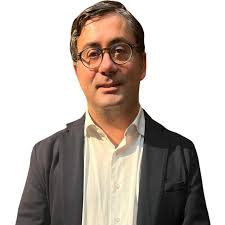
Dr. Francesco Romano’s research focuses on contamination control, HVAC, and environmental monitoring systems for museums, cleanrooms, and mission-critical environments. At Politecnico di Milano, he teaches "Fundamentals of HVAC Systems" for the Bachelor of Energy Engineering program and serves as the Director of both the Whitebox Research Cleanroom Facility and the Museum Lab. With over 15 years of experience in museum display cases and indoor microclimate control, he also directs the ICCCS-PoliMi-ASCCA International Cleanroom Courses in Italy. Additionally, Dr. Romano is a Scientific Consultant for indoor microclimate and contamination control at several prestigious institutions, including the Brera Art Gallery, the National Museum of Leonardo da Vinci’s 'Last Supper', and La Scala Theater. He holds leadership roles as Vice President of ASCCA (Italian National Contamination Control Society), Secretary of the International Confederation of Contamination Control Societies (ICCCS), and is a member of the ICCCS International Education Board (IEC) and IEST.
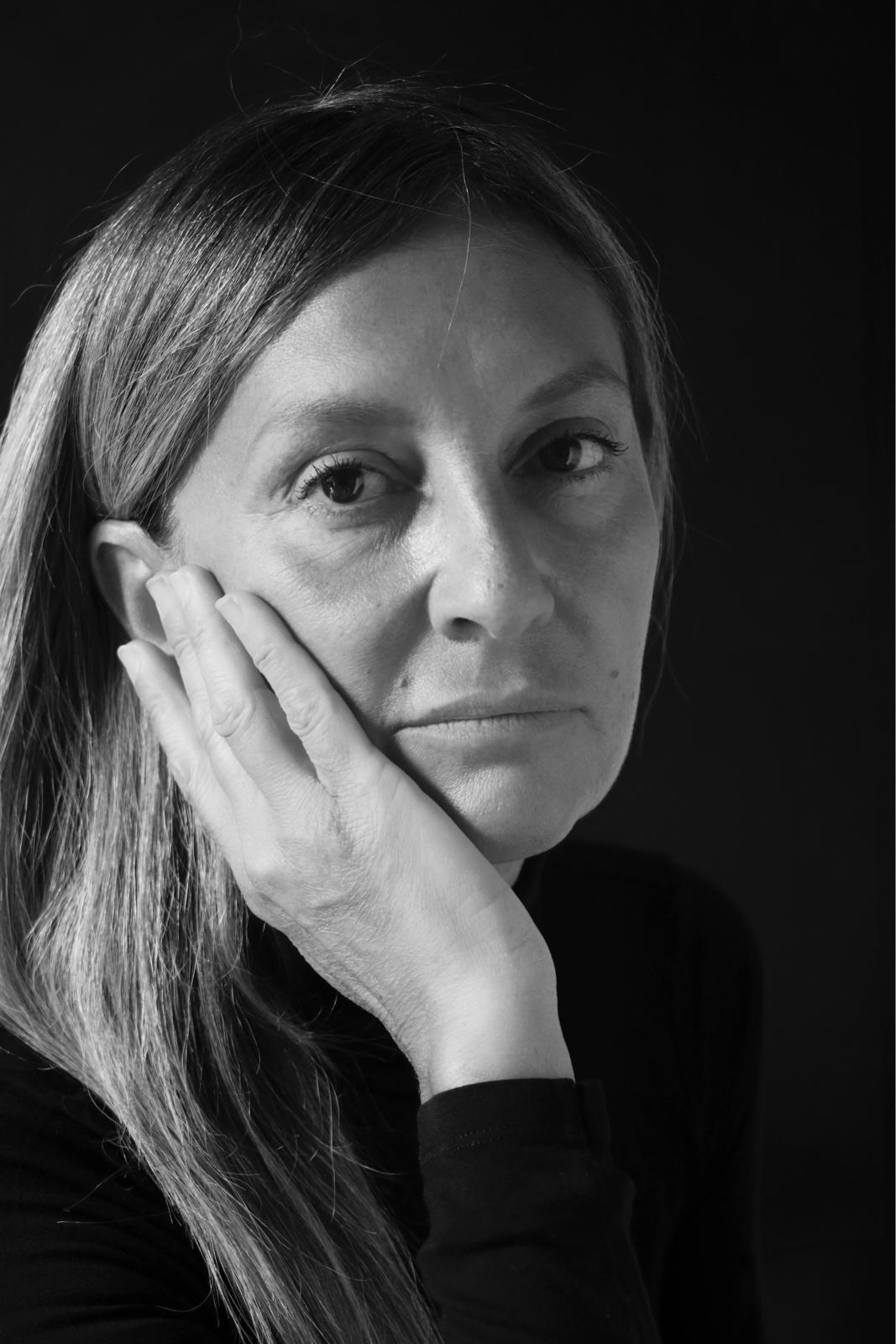
Dr. Chiara Rostagno is the deputy Director of the Brera Art Gallery and the executive Director of the National Museum of Leonardo da Vinci’s 'Last Supper'. She is an architect, a university lecturer and the author of books and academic articles. She has coordinated research activities for the conservation of Leonardo da Vinci’s Last Supper for over 10 years. She is a specialist in fresco and sculpture conservation.